Introduction
Technology assets are among the most valuable resources within any organization. Computers, servers, networking equipment, printers, software, cloud subscriptions, and mobile devices all contribute to daily business operations. As organizations grow, managing these assets becomes increasingly complex. Without a structured approach, businesses may struggle to track equipment, monitor usage, plan upgrades, or maintain accurate records.
This is where IT asset management becomes an essential business practice. It provides organizations with a systematic way to monitor technology assets throughout their lifecycle, from acquisition and deployment to maintenance, upgrades, and eventual replacement. Effective asset management helps businesses maintain visibility over their technology environment while supporting informed planning and operational efficiency.
This guide explains what IT asset management is, why it matters, its key benefits, common challenges organizations face, and best practices for building an effective asset management strategy.
What Is IT Asset Management?
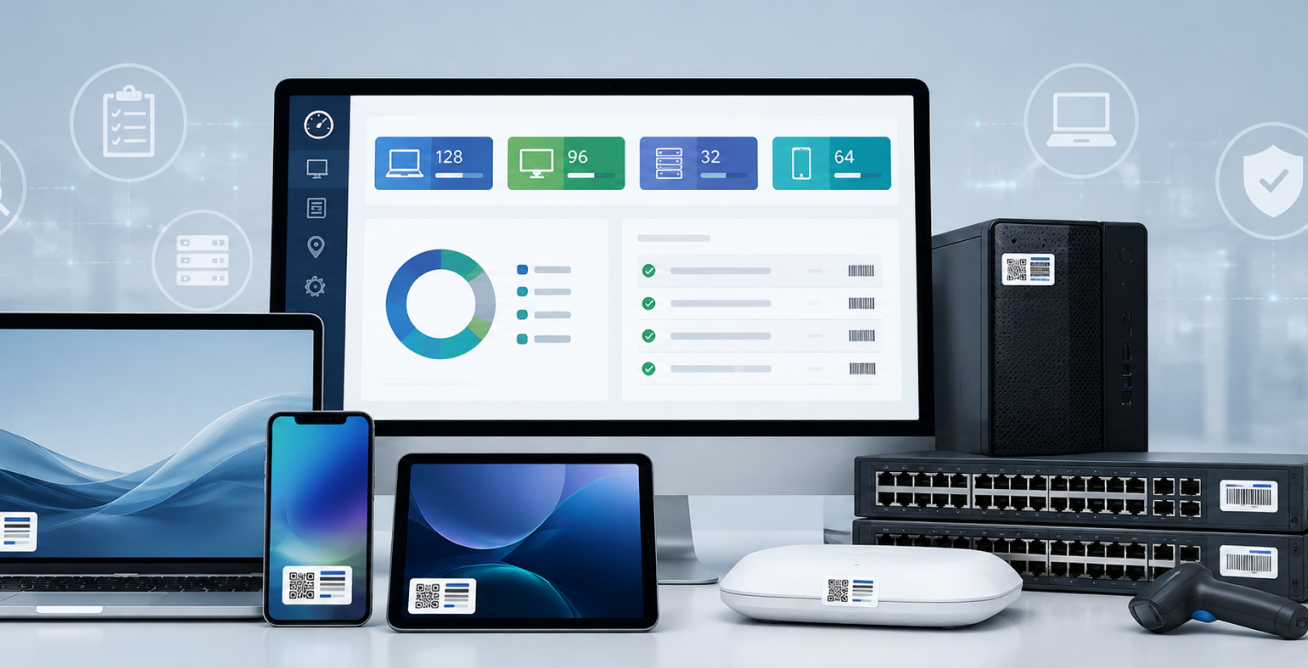
IT asset management (ITAM) is the process of tracking, organizing, maintaining, and managing an organization's technology assets throughout their entire lifecycle. It involves maintaining accurate records of hardware, software, licenses, networking equipment, cloud resources, and other technology components used within the business.
Rather than simply maintaining an inventory, IT asset management helps organizations understand where assets are located, how they are being used, when maintenance is required, and when replacement or upgrades should be considered.
A structured asset management process supports better decision-making while helping businesses maximize the value of their technology investments.
Why IT Asset Management Matters
As organizations adopt more technology, maintaining visibility across hundreds or even thousands of assets becomes increasingly important. Without organized records, businesses may experience duplicate purchases, outdated equipment, missing devices, or difficulties planning future technology investments.
An effective IT asset management strategy helps organizations:
- Maintain accurate technology inventories
- Improve operational planning
- Simplify asset tracking
- Support informed purchasing decisions
- Improve resource utilization
By keeping technology assets organized, businesses can manage infrastructure more efficiently while reducing unnecessary complexity.
Key Benefits of Effective IT Asset Management
Complete Asset Visibility
One of the greatest advantages of IT asset management is having a clear overview of all technology resources within the organization. Businesses know what assets they own, where they are located, and how they are being used.
Better Lifecycle Planning
Every technology asset has a lifecycle. Tracking equipment from acquisition through retirement helps organizations schedule maintenance, upgrades, and replacements before problems affect business operations.
Improved Resource Utilization
Asset management provides insight into how technology resources are being used. Organizations can identify underutilized equipment, reassign available resources, and make more informed purchasing decisions.
Simplified Inventory Management
Maintaining accurate inventory records helps reduce confusion when managing hardware and software across multiple departments or locations. Updated records also make routine audits easier to complete.
Smarter Budget Planning
Understanding asset age, condition, and replacement schedules allows businesses to forecast future technology investments more accurately and avoid unexpected purchasing needs.
Stronger Operational Efficiency
Well-managed technology assets contribute to smoother business operations by ensuring employees have access to reliable equipment while reducing unnecessary downtime caused by aging or misplaced resources.
Common Challenges in IT Asset Management
Even with a structured process, organizations may encounter challenges while managing their technology assets.
Incomplete Asset Records
Without consistent documentation, businesses may lose track of equipment locations, ownership, or deployment history.
Rapid Technology Growth
As businesses expand, the number of devices, software applications, and cloud services increases, making asset management more complex.
Software License Tracking
Managing software licenses across multiple users and devices requires careful recordkeeping to maintain visibility and organization.
Equipment Lifecycle Monitoring
Organizations may struggle to determine when equipment should be upgraded or replaced if lifecycle information is not regularly updated.
Decentralized Technology Environments
Businesses operating across multiple offices or remote work locations often require additional coordination to maintain accurate asset records.
Recognizing these challenges helps organizations strengthen their asset management processes over time.
Best Practices for Effective IT Asset Management
Organizations can improve asset management by following a structured and consistent approach.
Maintain a Centralized Asset Inventory
Store all hardware, software, licensing, and equipment information in a single organized inventory. A centralized record improves visibility and simplifies ongoing management.
Track Assets Throughout Their Lifecycle
Record important milestones including acquisition, deployment, maintenance, upgrades, transfers, and retirement. Complete lifecycle tracking supports better long-term planning.
Conduct Regular Asset Audits
Periodic reviews help verify inventory accuracy, identify missing equipment, and update records as technology environments change.
Standardize Asset Documentation
Using consistent naming conventions, categories, and documentation practices makes inventories easier to manage and understand across departments.
Plan for Future Technology Needs
Review asset reports regularly to identify aging equipment, upcoming replacement schedules, and future purchasing requirements before operational issues arise.
Review Asset Performance
Evaluating how technology assets support business operations helps organizations determine whether existing equipment continues to meet organizational needs.
Frequently Asked Questions
What is IT asset management?
IT asset management is the process of tracking, maintaining, and managing technology assets throughout their entire lifecycle.
Why is IT asset management important?
It helps businesses maintain accurate inventories, improve planning, manage equipment lifecycles, and make informed technology decisions.
What types of assets are included in IT asset management?
Hardware, software, networking equipment, cloud resources, mobile devices, licenses, and other technology assets may all be included.
How often should businesses review their asset inventory?
Organizations should review asset records regularly and conduct periodic audits to keep information accurate and up to date.
Can IT asset management support business growth?
Yes. Organized asset management provides better visibility into existing technology resources and helps businesses plan future investments more effectively.
Creating a Smarter Asset Management Strategy
Effective IT asset management goes beyond maintaining an inventory of technology resources. It provides businesses with greater visibility, supports informed decision-making, and helps organizations manage technology investments throughout every stage of the asset lifecycle. By maintaining accurate records, reviewing assets regularly, planning for future needs, and following consistent management practices, businesses can create a technology environment that remains organized, efficient, and prepared for future growth.